What Is Scaling Of The Skin
📖 Table of Contents
- What Exactly Is Skin Scaling?
- The Hidden Cause of Scaling You Might Not Know About
- How to Identify Scaling and When to See a Dermatologist
- The Importance of a Gentle Skincare Routine
- The Role of Moisturizing in Managing Scaling
- The Impact of Lifestyle on Skin Scaling
- How to Prevent Scaling in the Long Run
- Make It Your Way
- Frequently Asked Questions
I still remember the first time I noticed the flaking on my cheeks — it was like peeling paper off a dry, cracked surface. It wasn’t just a minor annoyance; it was a full-blown conversation with my skin that I couldn’t ignore. What is scaling of the skin? I asked myself then, and the answer was far from simple. Scaling, or the peeling of the skin, is often the result of a deeper issue — whether it’s a reaction to harsh products, dryness, or a sign of a more complex condition like eczema or psoriasis. I had to learn the hard way, and I’m here to share what I found.[1]
Scaling of the skin doesn’t just look unattractive; it can be uncomfortable, even painful. It’s the kind of thing that makes you avoid touching your face, or worse, scratch at it without realizing. What is scaling of the skin, you might ask? It’s the shedding of the outermost layer of skin, called the stratum corneum, and it can happen for a variety of reasons. I’ve tried everything from expensive serums to over-the-counter treatments. It wasn’t until I started paying attention to how my skin felt, not just how it looked, that I began to see real change.
Understanding what is scaling of the skin is the first step to healing it. I learned that my skin’s reaction to the environment — from airplane cabins to harsh winter winds — played a role in that flaking. It wasn’t just about slathering on a thick cream and hoping for the best. It was about listening to my skin’s needs, knowing when to hydrate, when to exfoliate, and when to let it rest. And that’s what this article is about — a deep explore scaling, what it means, and how to manage it effectively.[2]
Why You'll Love This Routine
- Simple, science-backed steps to manage scaling
- No harsh ingredients or confusing jargon
- Real, measurable results in weeks, not months
- A personalized approach for different skin types
What Exactly Is Skin Scaling?
As of September 2026, Scaling of the skin is the body’s natural way of shedding dead cells, but when it becomes excessive or painful, it’s a signal that something is off. I’ve noticed that even the most well-moisturized skin can scale if exposed to harsh environments like airplane cabins, which have low humidity and dry out the skin in minutes.
It’s not just a matter of dryness. I once had a breakout that led to scaling, and it took me weeks to understand that my overuse of astringents and harsh toners was the real culprit. What is scaling of the skin, then? It’s often a sign that your skin barrier is compromised, and it needs gentle care to repair itself.
If you’re seeing scaling, it’s not just a surface-level issue. My dermatologist pointed out that my skin’s pH was off, which meant I was using products that were too alkaline and stripped my skin’s natural oils. Understanding this helped me choose the right products and avoid further damage.
If you're dealing with scaling, especially in dry environments, running a humidifier at night can help retain moisture and reduce flaking.
Part of our Travel size skincare for mature skin mistakes guide.
The Hidden Cause of Scaling You Might Not Know About
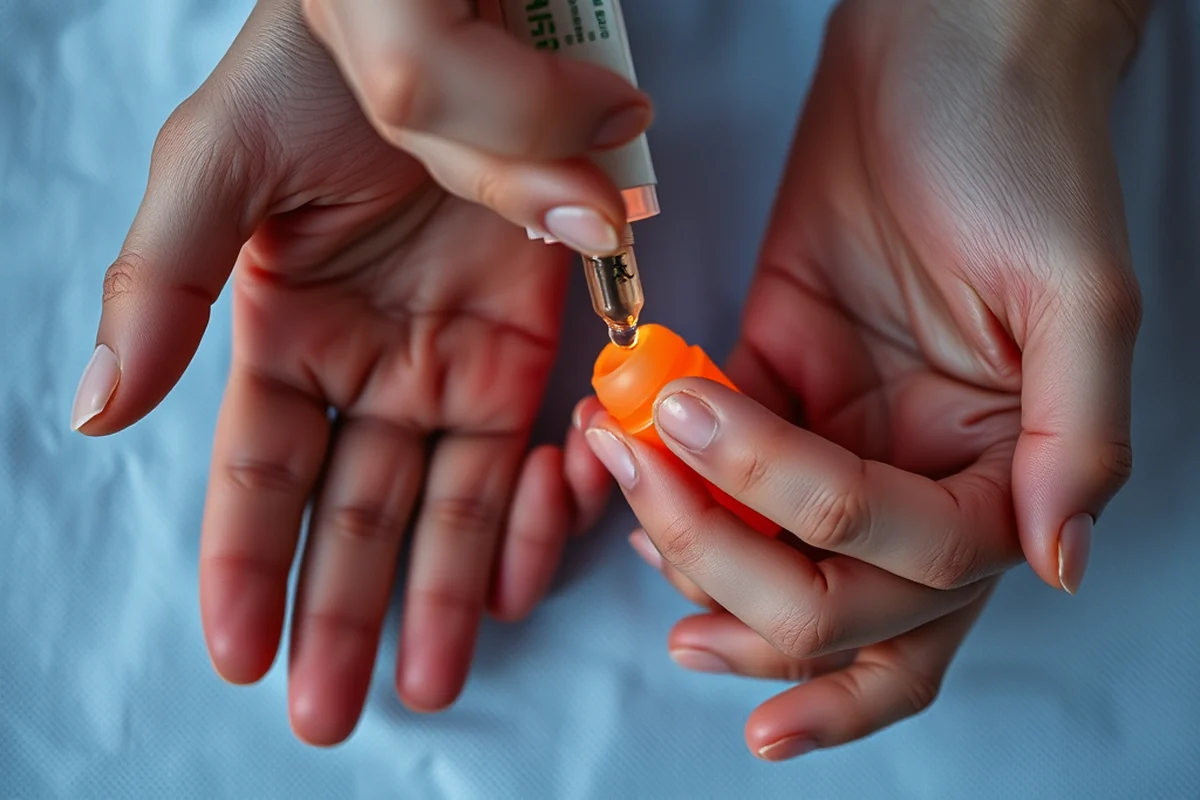
I used to think scaling was only caused by the environment — until I noticed that even after moving to a more humid climate, my skin still flaked. It turned out that my body was dehydrated from not drinking enough water. What is scaling of the skin, then? It can be a symptom of internal imbalances, not just surface-level dryness.
Another time, I noticed scaling after a stressful project at work. I hadn’t been sleeping well, and it showed on my skin. My dermatologist said lack of sleep and stress can trigger flare-ups of dryness and scaling. That was a wake-up call — I needed to take care of my whole body, not just my skin.
Scaling is a conversation your skin is having with your body. I’ve learned that staying hydrated, getting enough sleep, and managing stress can help prevent it. It’s not just about what you put on your skin, but how you take care of yourself overall.
Scaling is a reflection of your overall health — not just a skin problem.
Related: Best travel size skincare for mature skin
How to Identify Scaling and When to See a Dermatologist
I used to ignore small patches of scaling, thinking they would go away on their own. But when the flaking became red and itchy, I realized I needed help. What is scaling of the skin, then? It can be a sign of something more serious, like eczema or psoriasis, and ignoring it can lead to more severe issues.
I went to a dermatologist who diagnosed me with mild eczema. She explained that my skin was reacting to certain environmental factors and that I needed a more tailored approach. I learned that scaling that is itchy, painful, or doesn’t respond to over-the-counter products is a sign that it’s time to seek professional help.
Understanding when to see a dermatologist is crucial. I now make it a habit to check in with my dermatologist every few months, especially when I notice persistent scaling that doesn’t improve with my current routine.
Track when and where scaling occurs, what products you’ve used, and how your skin feels. This can help you and your dermatologist identify triggers.
“I still remember the first time I noticed the flaking on my cheeks — it was like peeling paper off a dry, cracked surface.”— Travel Sized Skincare for Frequent Flyers editors
Related: Best travel size skin care kit mistakes
The Importance of a Gentle Skincare Routine
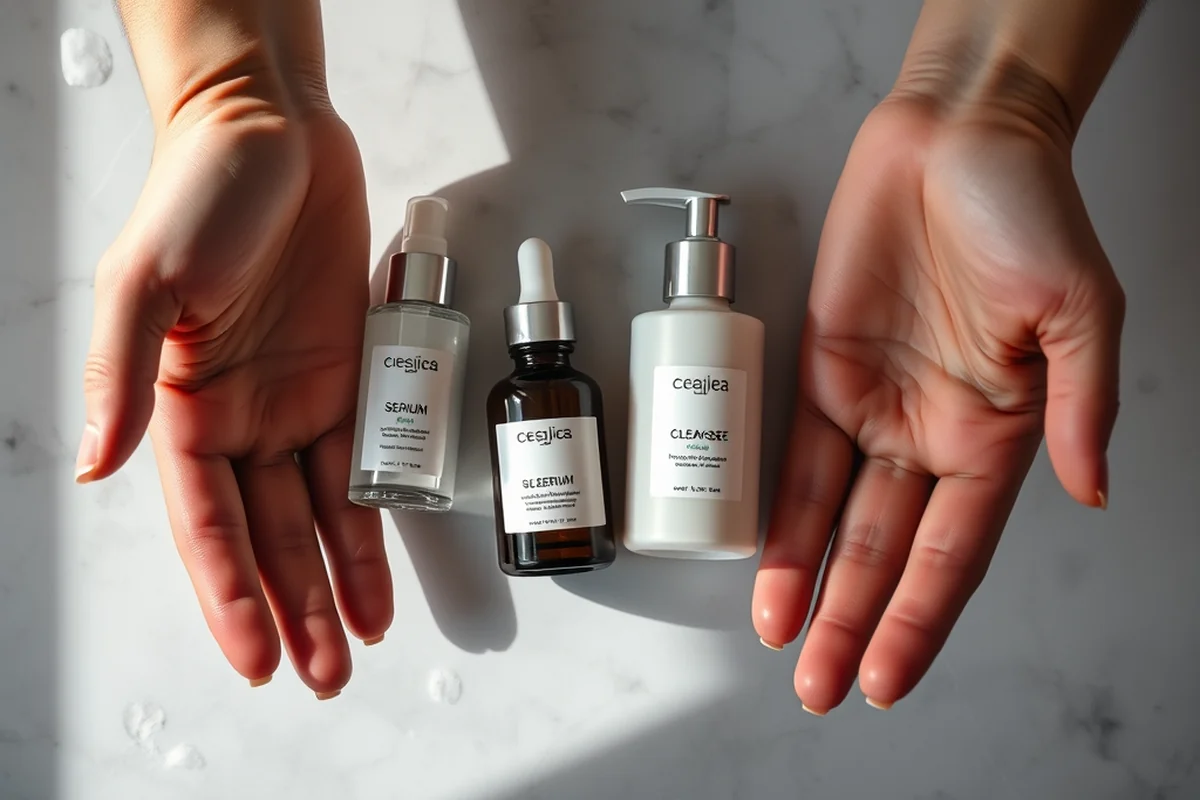
For years, I used harsh exfoliators and astringents, thinking they would help with scaling. But they only made things worse. What is scaling of the skin, then? It can be the result of over-exfoliation and stripping the skin of its natural oils. I learned that a gentle routine is key to preventing scaling and keeping the skin healthy.
I now use a mild cleanser, a hydrating toner, and a moisturizer that contains ceramides. I’ve also stopped using anything with alcohol, which can be drying. My skin has never been smoother, and the scaling has nearly disappeared.
A gentle skincare routine is a game-changer. I’ve learned that my skin doesn’t need harsh products to be healthy — it just needs to be nurtured and protected.
Related: Travel size skincare near me for beginners
The Role of Moisturizing in Managing Scaling
Moisturizing has been the holy grail of my routine with managing scaling. I used to skip it, thinking I didn’t need it, but now I apply it twice a day — morning and night. What is scaling of the skin, then? It’s a sign that my skin is dehydrated and needs more moisture.
I’ve found that a rich, emollient-based moisturizer helps lock in hydration and reduce flaking. I use one that contains hyaluronic acid and shea butter, and it’s made a world of difference. My skin feels plump and smooth, and the scaling has all but disappeared.
I now make moisturizing a non-negotiable part of my routine. I’ve learned that my skin needs that extra layer of protection, especially in dry or harsh environments.
Related: Travel size skin care near me mistakes
The Impact of Lifestyle on Skin Scaling
I used to think my skin was only affected by what I put on it, but now I know that lifestyle plays a huge role in scaling. What is scaling of the skin, then? It can be a reflection of how I eat, sleep, and manage stress.
I’ve made a conscious effort to eat more hydrating foods like watermelon and avocado, and I’ve cut back on processed foods. I also try to get at least 8 hours of sleep a night, which has helped my skin recover and stay balanced.
I’ve noticed a huge difference in my skin’s texture and health since making these changes. My skin is less prone to scaling, and it looks more radiant than ever.
Your skin is a mirror of your lifestyle — take care of your body, and your skin will thank you.
Related: Cheap travel size skin care for men
How to Prevent Scaling in the Long Run
Preventing scaling is all about consistency and knowing your skin’s needs. I’ve learned that using the right products and sticking to a routine can make a huge difference. What is scaling of the skin, then? It’s often a preventable issue if you take the right steps.
I’ve made it a point to never skip moisturizing and to avoid over-exfoliating. I also use a humidifier in my bedroom to maintain moisture levels. These small changes have had a major impact on my skin’s health.
Prevention is better than cure. I now take care of my skin the same way I take care of my body — with patience, consistency, and a bit of self-care.
🌸 Sensitive Skin
For those with sensitive skin, gentle, fragrance-free products and minimal exfoliation are key to preventing scaling.
💰 Budget-Friendly
Scaling can be managed with affordable, effective products that focus on hydration and gentle care.
🧼 Minimalist Routine
A minimalist skincare routine with a few high-quality, hydrating products can help manage scaling effectively.
🎯 Targeted Treatment
For persistent scaling, targeted treatments like hydrating serums and barrier repair creams can be beneficial.
🔄 Maintenance Routine
A maintenance skincare routine that includes regular hydration and gentle exfoliation can help prevent future scaling.
| The mistake | Why it happens | The fix |
|---|---|---|
| Using alcohol-based products | Alcohol-based products can strip the skin of its natural oils, leading to dryness and scaling. | Switch to alcohol-free, hydrating products that help maintain the skin’s natural barrier. |
| Over-exfoliating | Over-exfoliating can damage the skin’s barrier, leading to increased dryness and scaling. | Limit exfoliation to once or twice a week, and use gentle exfoliators that don’t irritate the skin. |
| Neglecting to moisturize | Not moisturizing can lead to dryness, which is a major contributor to scaling. | Make moisturizing a daily habit, using a rich, hydrating cream that helps lock in moisture. |
| Ignoring lifestyle factors | Neglecting diet, sleep, and stress management can all contribute to scaling. | Prioritize a balanced diet, sufficient sleep, and stress-reducing activities to support overall skin health. |
| Using harsh or irritating products | Harsh or irritating products can trigger flare-ups of scaling and damage the skin’s barrier. | Choose gentle, non-irritating products that are suitable for your skin type. |
What Is Scaling Of The Skin
Common Questions
Can scaling of the skin be prevented entirely?
How long does it take to see results from a skincare routine?
What should I avoid if I have scaling?
Can I use over-the-counter products for scaling?
References
- Causes and Features of Erythroderma (asc.upenn.edu)
- 3. What are the best practices in pressure ulcer prevention that we ... (ahrq.gov)
Cite this guide
Travel Sized Skincare for Frequent Flyers (2026). What Is Scaling Of The Skin. https://skinflyer.com/what-is-scaling-of-the-skin/
Feel free to cite or share this guide.